Quality Products Shipped Australia Wide Daily
Hide Filters

Threaded Inserts


FAQS

What are threaded inserts used for in woodworking?

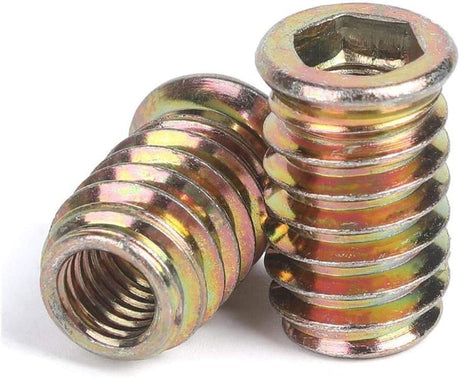
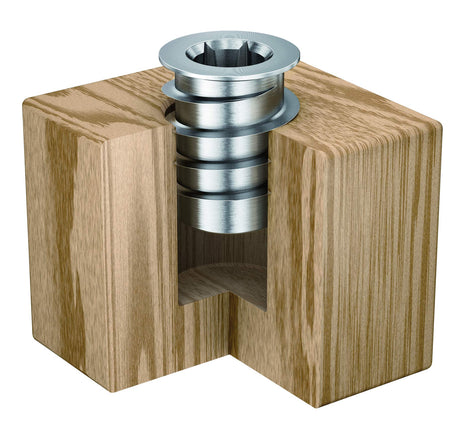
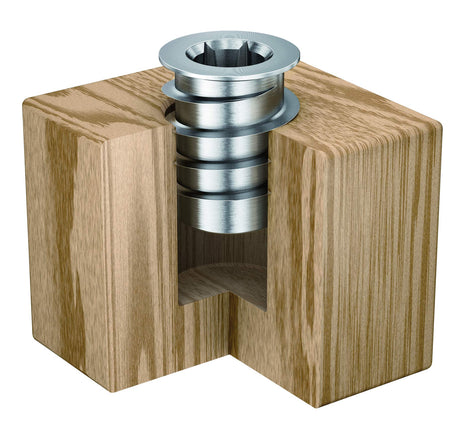
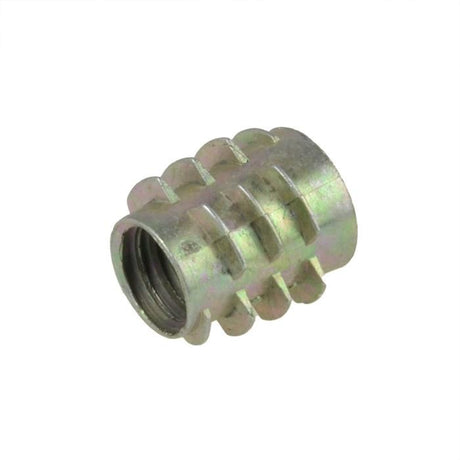
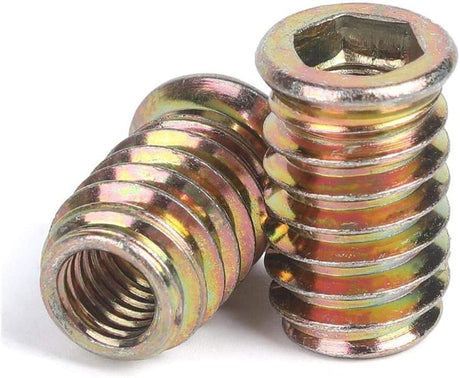
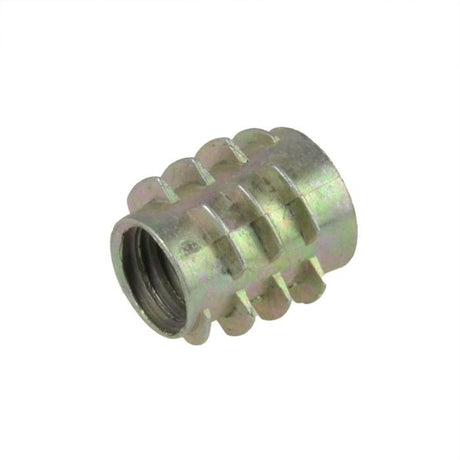
Threaded inserts are metal fasteners installed into timber, MDF, or plywood to create a strong, reusable machine thread inside the material. They allow you to use bolts and machine screws to assemble furniture and cabinetry, creating joints that can be assembled and disassembled many times without wearing out the thread. They are particularly valuable for flat-pack furniture, workshop jigs, and any piece that needs to be repeatedly put together and taken apart.

What sizes and types of threaded inserts does Hammer Roo stock?

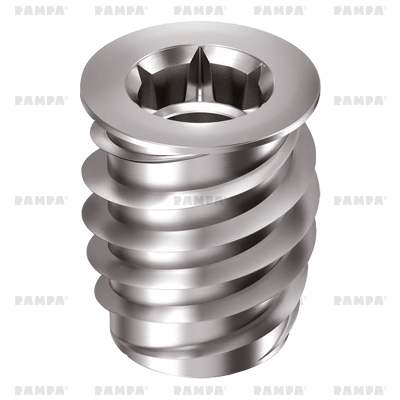
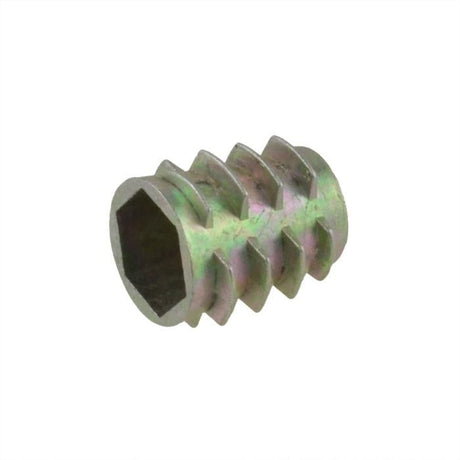
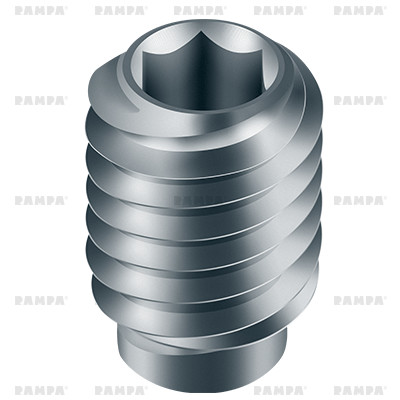
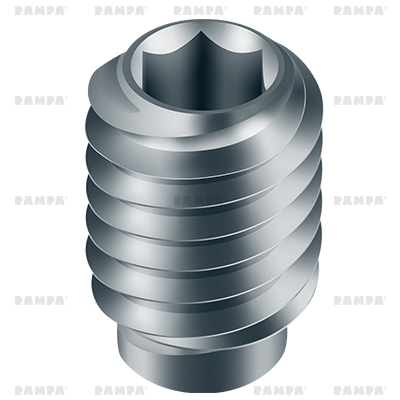
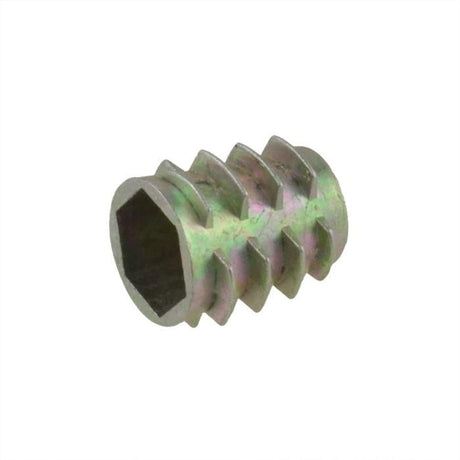
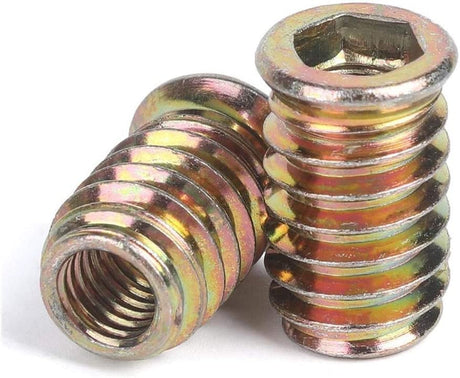
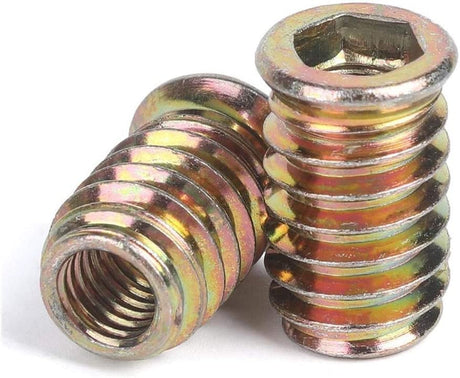
Hammer Roo stocks threaded inserts in M5, M6, M8, and M10 metric sizes in both flanged (SKD330) and un-flanged (SK330) versions. The flanged version has a wider collar that sits on the surface and helps spread the load, preventing the insert from being pulled through softer materials. Both the Hammer Roo brand and the German-made Rampa brand are stocked.

Are threaded inserts suitable for MDF and plywood?

Yes, threaded inserts work well in both MDF and plywood and are preferable to wood screws in these materials because MDF in particular has limited holding strength when threads are cut directly into it. Inserts provide a metal thread that holds far more reliably under load and can be re-fastened repeatedly without the hole stripping. A flanged insert is recommended for added pull-out resistance in softer materials like MDF.

How do I install a threaded insert into timber?

Drill a pilot hole to the correct diameter for your insert size, usually slightly smaller than the insert's outer diameter, as specified by the manufacturer. Drive the insert in straight using a hex key or a dedicated installation tool in a drill. Install it flush to the surface or slightly below, then thread in your bolt when ready. Rampa-style inserts have a slotted or hex head and can be driven in with a screwdriver or hex key without any special tooling.

What is the difference between a flanged and an un-flanged threaded insert?

A flanged threaded insert has a wider lip at the top that sits on the surface of the material when fully installed, distributing the load over a larger area and increasing resistance to being pulled out. An un-flanged insert sits flush or below the surface, used where you need the surface to mate flat against another piece without any protrusion. Flanged inserts are generally the better choice for softer materials, while un-flanged inserts suit tight-fitting joints where a flush face is needed.

p

Compare /3

Loading...